
Vitiligo
Patches of lost skin color
Vitiligo research tests creams and tablets that help color come back and stay.
Vitiligo often starts as a pale patch on the hands, the face or around the eyes or mouth, and people usually see a dermatologist when it spreads. It goes through the creams and tablets researchers are testing, why patches are photographed under special light, and how to fit a study cream into your mornings and evenings.
Treated today with steroid or immune creams, light sessions, makeup
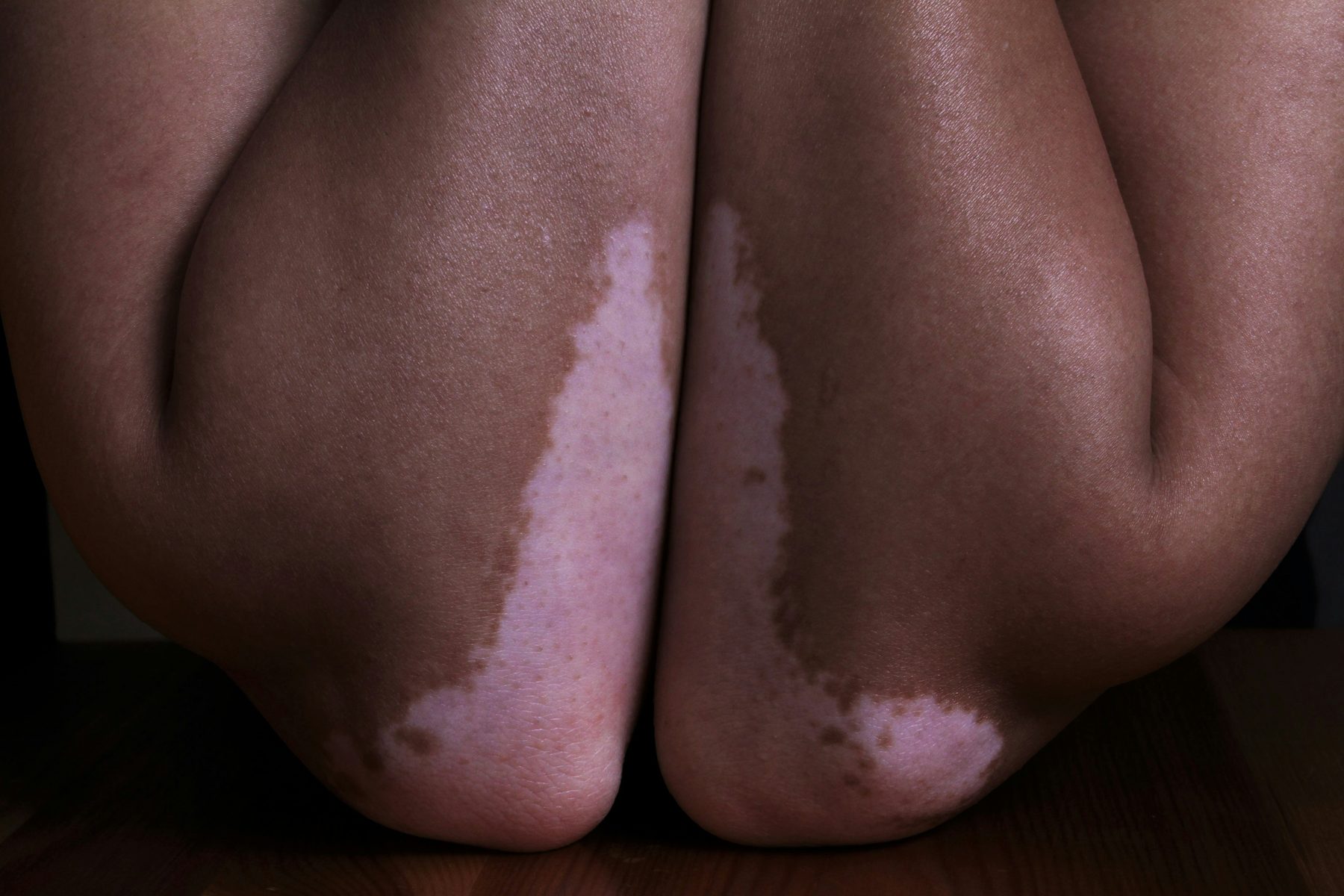
Vitiligo happens when the immune system attacks melanocytes, the cells that give skin its color, so pale or white patches appear. It can show on any skin but stands out more on darker skin. Hair growing in a patch can turn white too. It does not hurt and cannot be caught, yet many people feel it most in how others react, and the pale patches burn quickly in the sun.
Care often means a cream rubbed onto each patch once or twice a day for many months, either a steroid cream or one that calms the immune system. Some people go to a clinic two or three times a week to stand in an ultraviolet cabinet for a few minutes. Many people also use cover makeup or self-tanning products and sunscreen on every patch, and some choose no treatment at all.
What medicine research on vitiligo is after
Color often returns slowly and unevenly, hands and feet respond least, and patches can fade again once treatment ends. Research wants medicines that bring color back faster and in more places, and ways to keep it there afterwards. Studies are looking at the immune signals that drive the loss of pigment cells, and at whether a tablet could treat widespread vitiligo where a cream would mean covering much of the body.
Kinds of study medicine
- Creams that block immune signals Newer creams that block a signal inside immune cells, tested on the face, body, hands and feet.
- Tablets for widespread patches Daily tablets aimed at the same signals, studied in people with vitiligo over large areas of skin.
- Medicine with light sessions A cream or tablet used together with ultraviolet sessions, to see whether the two bring back more color than either alone.
- Keeping color once it returns Lower or less frequent doses after color comes back, studied for whether the patches stay colored.
- Halting new patches Medicines tested for whether they stop vitiligo that is spreading quickly.
Tests and measurements along the way
| Check | What it tells the team |
|---|---|
| Standard photographs | Photos of each patch from the same angle and in the same light at every visit show how much color has returned. |
| Pictures under an ultraviolet lamp | A hand-held lamp in a dark room makes pale patches glow, so the team can see edges that are hard to spot in daylight. |
| How much skin is pale | The team estimates how much of your body the patches cover, often using the palm of your hand as a guide. |
| Blood tests | Samples check blood counts, the liver and the thyroid, since thyroid conditions turn up more often alongside vitiligo. |

How a study medicine reaches you
A study medicine for vitiligo is most often a cream in a labeled tube or a tablet in a dated pack, handed to you at the research site. The team shows you how much cream to use, which patches to treat and how to keep it off untreated skin. You apply it at home, usually morning and evening, and log each use. Tubes are weighed when they come back, so return them even when they look finished. Any light sessions in the study happen at the site.
The medicines you already take
Before you look into a vitiligo study, gather the names of every cream, ointment and tablet you use for your skin, and anything you take for the thyroid or other conditions. Add sunscreens, cover makeup, self-tanners, supplements, eye drops and anything bought over the counter. Keep up your current routine while you ask questions; a change to any of it is for your own dermatologist, doctor or pharmacist to decide with the study team.
Ask the team about the study medicine
- Which patches should I put the study cream on, and which should I leave alone?
- Can I keep using cover makeup and sunscreen on treated patches?
- Should I keep treated skin out of strong sun or tanning beds while I use the study medicine?
- How long will it be before the team expects to see any color come back?
Words you will meet
- Melanocytes
- The cells in the skin and hair that make melanin, the pigment that gives them their color.
- Repigmentation
- Color returning to a pale patch, often first as small dots around hair roots or in from the edges.
- Wood’s lamp
- A hand-held ultraviolet lamp used in a darkened room that makes pale patches stand out clearly.
What people ask about vitiligo
No. Vitiligo is not an infection, so it cannot pass from one person to another through touch, shared towels or anything else. It comes from the immune system attacking the skin’s own pigment cells, and it sometimes appears alongside other immune conditions such as thyroid disease. Studies of vitiligo are about medicines that calm that attack and help color return, and taking part puts nobody around you at risk.
Color comes back slowly, often over months, and the change from one visit to the next can be too small to notice in a mirror. Photographs taken from the same angle and in the same light, sometimes under an ultraviolet lamp in a dark room, let the team compare patches accurately. The team asks before taking any picture, explains how photos are labeled and kept, and tells you which areas will be photographed.
That is one of the main questions vitiligo research is trying to answer. In some people color holds after treatment ends, and in others the patches fade again. Some studies carry on with a lower dose or a less frequent schedule to see whether that keeps color in place. Ask the study team what follows once the study medicine stops, and talk over your next steps with your own dermatologist.
No. Any phone call or email to a vitiligo study comes from you, through whatever channel the study names. Study Lookout does not hand anyone’s name or photographs to a study, keeps no waiting list and cannot place you in one. The team you speak with explains the study medicine and the visits, answers your questions about photos and creams, and decides who can take part. Nothing is agreed until you choose it, and you may change your mind.