Psoriasis
Raised, scaly skin patches
Psoriasis medicine research asks how to calm fast-growing skin with less daily effort.
Many people with psoriasis have tried several creams before a dermatologist suggests light therapy, a tablet or an injection. The sections below walk through new psoriasis creams, tablets and injections, the skin scores and TB screen a team uses, and the way a study pen or tube is handed over.
Treated today with creams, light therapy, tablets or injections
Psoriasis happens when the immune system signals skin cells to grow far faster than usual, so they pile up as raised, red or darker patches with silvery scale. Elbows, knees, the scalp and the lower back are common places. It is not an infection and cannot spread to anyone. Patches can itch, crack and bleed, and some people also get swollen, painful joints, known as psoriatic arthritis.
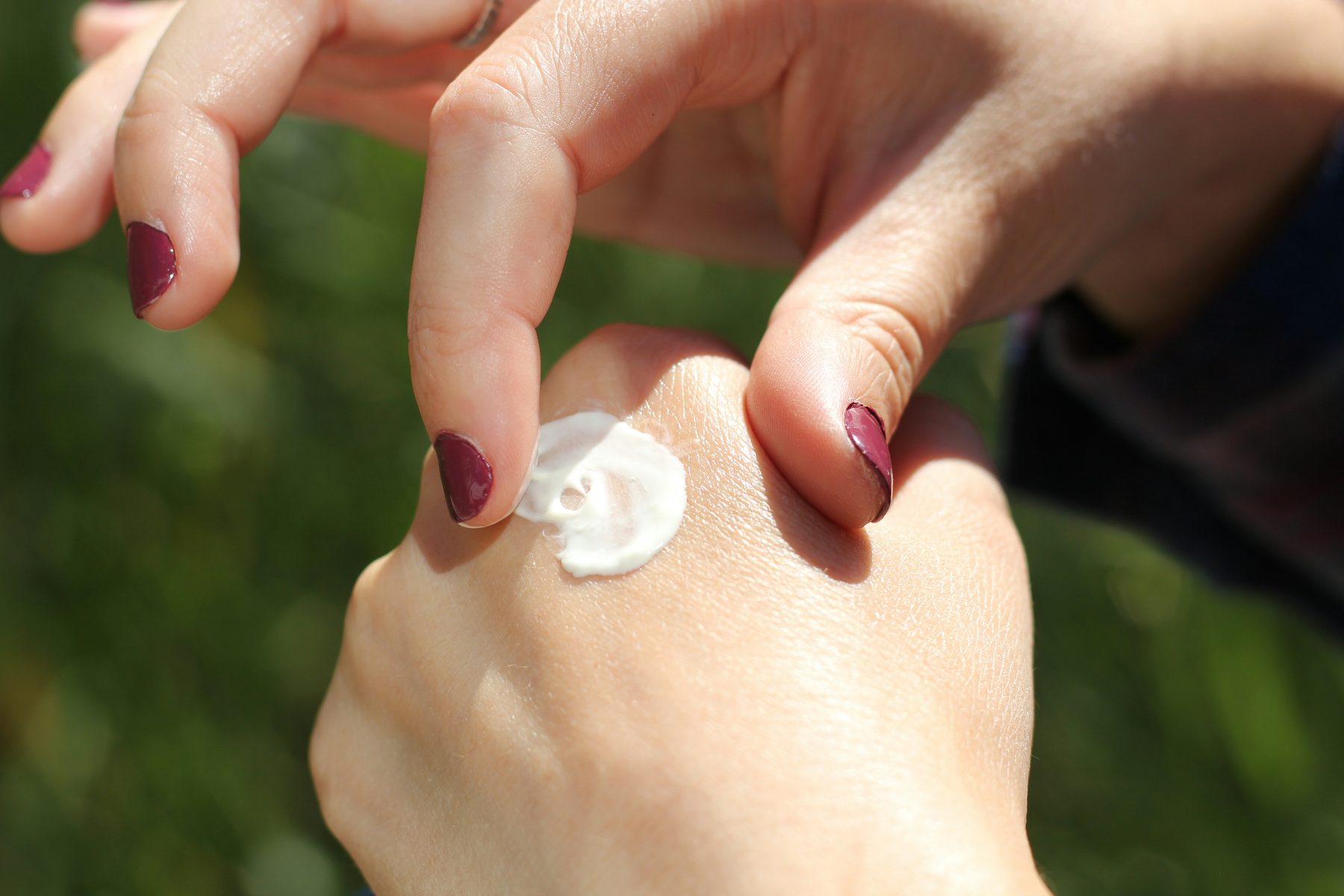
Care often starts with creams and ointments rubbed into each patch once or twice a day, which takes time and can mark clothes and sheets. Light therapy is a course of brief clinic visits, several a week, under ultraviolet lamps. When patches cover a large area, doctors may add a tablet that calms the immune system or an injected biologic medicine, which many people give themselves at home every few weeks after a TB screen.
What medicine research on psoriasis is after
Creams are slow and messy to use over large areas, and many people tire of the daily routine. Some injected biologic medicines work well at first and then seem to fade, and not everyone wants needles. Research is trying to find tablets that calm the skin as deeply as an injection, injections that hold their effect for longer, and creams that act on the immune signals inside a patch rather than only on its surface.
Kinds of study medicine
- Tablets in place of injections Newer tablets that block an immune signal inside cells, studied against injected medicines that work on the same process.
- Injections spaced further apart Biologic medicines given every few months instead of every few weeks, checked for whether clearer skin lasts in between.
- Biosimilar copies Close copies of established biologic medicines, set against the original to show they act on the skin the same way.
- Creams with no steroid in them Creams and foams that act on immune messengers in the skin, tested for daily use on the face, folds and scalp.
- Skin and joints together Medicines studied for whether they ease psoriatic arthritis at the same time as they clear the skin.
Tests and measurements along the way
| Check | What it tells the team |
|---|---|
| A score for the skin | The team looks at how red, thick and scaly your patches are and how much of your body they cover. |
| Photographs of patches | Pictures taken under the same light at each visit show changes that are hard to judge by eye. |
| Screening for TB | A blood or skin test, and sometimes a chest X-ray, looks for hidden tuberculosis before any biologic medicine is given. |
| Joints, itch and sleep | The team asks about stiff or swollen joints and how itch and patches affect sleep, work and the rest of your day. |
How a study medicine reaches you
A study medicine for psoriasis can come as a tube of cream, a bottle of tablets or a box of prefilled pens. The research site hands these out, and a nurse usually watches you give the first injection before you carry on at home. Pens often need the fridge, so the team explains how to get them home cold. For creams, you are told how much to use and on which patches. Return used tubes, empty boxes and the sharps bin at each visit.
The medicines you already take
Make a full list before a psoriasis study visit: every cream, ointment, shampoo and scalp lotion, any light therapy you have, and tablets or injections for skin or joints. Include over-the-counter moisturizers, vitamins, supplements and eye drops too. Carry on with all of it as usual while you ask questions. Your own dermatologist, doctor or pharmacist decides whether anything is paused or adjusted, and the study team talks it through with them.
Ask the team about the study medicine
- Will the study medicine be a cream, a tablet or an injection, and how often will I use it?
- Does the study let me carry on with my moisturizer and scalp shampoo?
- If it is an injection, will I give it myself at home, and how do I keep it cold?
- Do I need a TB test first, and does the study arrange it?
Words you will meet
- Plaque psoriasis
- The most common form, with raised, clearly edged patches covered in silvery or white scale.
- Biologic medicine
- A medicine made from living cells that blocks one messenger of the immune system, usually given by injection or drip.
- Biosimilar
- A medicine shown to work in the same way as an existing biologic medicine, with no meaningful difference in effect.
What people ask about psoriasis
Some studies are for people whose patches are mild enough for creams, and they test new creams, foams or ointments. Others look for people with wider psoriasis who have already used light therapy or tablets. Each study describes the kind of psoriasis and past treatment it is looking at, and the study team decides who joins. Keep using what your dermatologist gave you while you look into it.
Many medicines that calm the immune system, including injected biologic medicines and some newer tablets, can let a hidden tuberculosis infection wake up. A blood or skin test, and sometimes a chest X-ray, shows whether you carry it. A positive result does not always end the conversation; the team explains what happens next. The same screen comes before these medicines in ordinary care as well.
Some do. A share of people with psoriasis also get psoriatic arthritis, with swollen fingers or toes, stiff mornings and sore heels. Certain studies look at whether one medicine helps both skin and joints, and they add joint counts and questions about pain and movement. Others focus on the skin alone. If your joints trouble you, mention it when you contact a study team, and tell your own doctor as well.
Use the contact details the study gives and reach out yourself, by phone, email or the form the study uses. Study Lookout does not pass your name or skin history to anyone, holds no places and does not sign you up. The study team tells you what taking part involves, answers questions about the study medicine and makes the decision about who can join. You can step back whenever you like.