
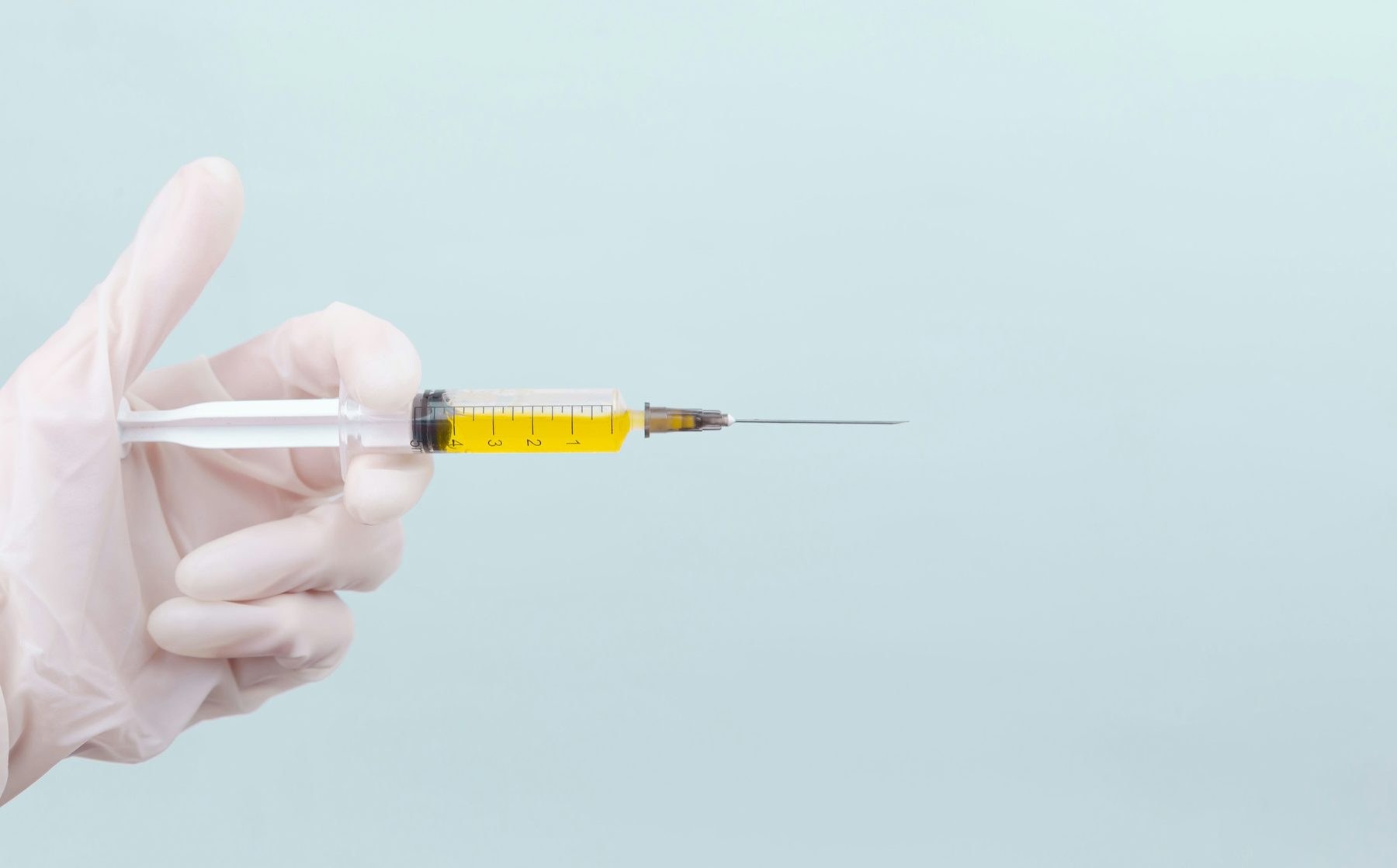
The amount printed on a familiar medicine box was settled by research long before it reached you. For a medicine under study, that amount is often still being worked out. Knowing how a team narrows it down helps you make sense of why your dose is what it is, and why it might change while you take part.
Why the dose is still an open question
Too little of a medicine may do nothing for the condition; too much may bring unwanted effects without extra benefit. Somewhere between those two lies the amount that helps most people with the fewest problems, and early research is largely the search for it. Studies at different stages of a medicine’s development ask this question in different ways.
The answer can also differ from one condition to another. A medicine that calms the immune system might need one amount for skin patches of psoriasis and another for the joints and spine in ankylosing spondylitis, so the work is often repeated for each condition.
Starting low and stepping up
A common approach begins with a small amount and raises it in planned steps. The team checks how each step is going before moving to the next one, using blood pressure readings, blood tests, questions about how you feel and any changes they can see or measure.
If a step brings problems, the team can hold the dose where it is or bring it back down. This step by step approach is also how many doctors start a familiar medicine outside research, so it may already feel familiar if you take tablets for a tremor or for blood pressure.
Groups on different amounts
Some studies place people in groups that each take a different strength of the same medicine, often side by side over the same weeks. Comparing the groups shows whether more of the medicine brings more benefit, and at what point extra amounts stop helping.
Which group you join is usually decided by the study plan rather than by you or the team on the day, often by chance. In some studies neither you nor the staff know your group until the end; the guide on reading a study pack explains why a label may leave that out.
Why your dose may not be the same as someone else’s
Two people in one study can take different amounts for good reasons. Body weight, kidney and liver function, other medicines and the group someone was placed in can all change the amount. A study may also adjust doses person by person based on how each body responds.
Comparing doses with another person in a waiting room tells you very little, so try not to read meaning into it. If you want to know why your amount is what it is, the study team can explain it in terms of your own plan.
Dose changes are the study team’s decision
During a study, only the team running it changes the amount of study medicine you take. That keeps the research sound and keeps you safe, because they know what each step is meant to show. Taking more because a symptom flares, or less because a day feels good, can upset both.
If something about your dose worries you, call the team before you do anything else. Study Lookout is not part of any study and cannot advise on doses; it can only explain in general how dose research works, so the questions you bring to a team are sharper.
Points to keep
- The dose of a medicine under study is often still being worked out.
- Many studies start with a small amount and raise it in planned steps.
- Groups on different strengths show where extra medicine stops adding benefit.
- Your dose can differ from another volunteer’s for sound reasons.
- Study Lookout explains how dose research works; your dose is for the study team and your doctor to discuss with you.